
Business FAQ: Why is social media not working for my business?
Many businesses are finding social media marketing time consuming and unrewarding, and dare I say a waste of time — here is why…

The rise
Since 2004, social media applications have become essential marketing tools for all businesses, even more so for small businesses, because of their low-cost accessibility to a large pool of consumers. It would be hard to argue that Facebook pioneered social media marketing, it was an uncharted new frontier, enabling businesses to engage consumers on a very personal level. Instagram came to life in 2010, and with one million registered users in two months, 10 million in a year, and 1 billion as of June 2018, and created another unprecedented opportunity for brands to create a profile and engage a global audience.
As with any ‘first-mover’ advantage, in the early days, the brands that realised the marketing opportunity that these channels presented reaped the rewards. Australian brands like Frank Body and Triangl Bikini quickly gained a global following and grew from garage operations to globally recognised brands within 12 months with minimal marketing spend, leveraging ‘influencers’ (before it was a term) and growing their popularity through user-generated content (UGC).
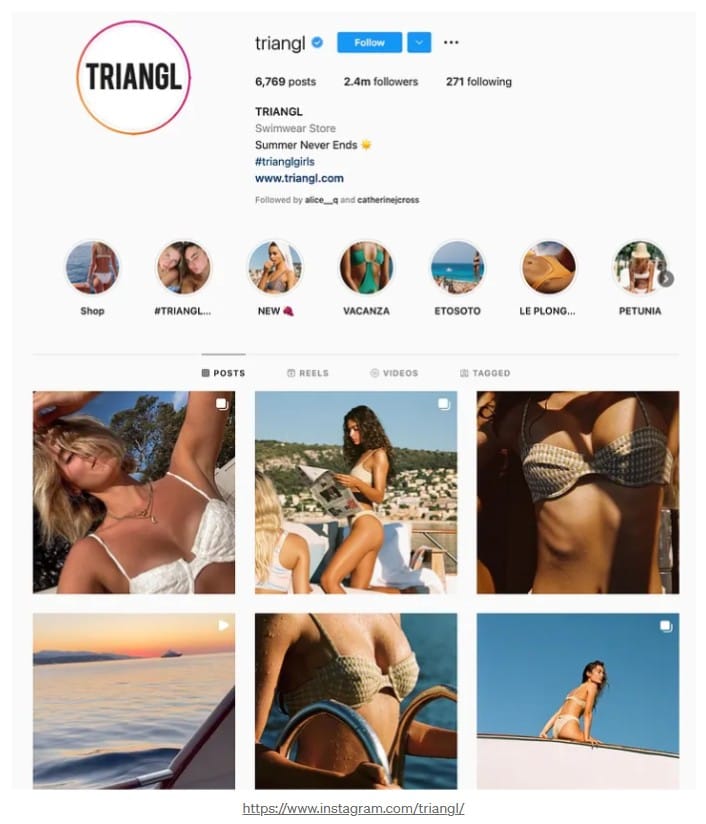

The classic Trianl Bikini went “viral” on early Instagram. Source
This kind of success would be impossible to replicate on these channels now because the enablers of this phenomenon, namely the actual users and the platforms themselves, realised their commercial value to brands and started charging for it. Which makes sense, because if they are creating commercial value for brands, and have spent time creating content to grow an audience, then they should be rewarded, but gone are the days that a free gift was all it took.
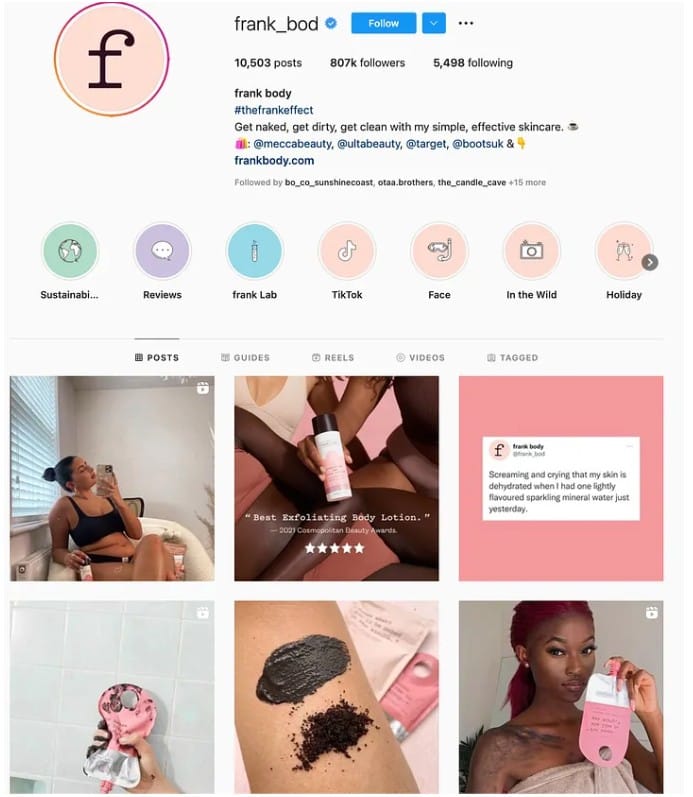
I am not even going to mention all the other platforms here, like Youtube, Linkedin etc etc, because most businesses can get by without having these channels in their marketing portfolio, whereas Facebook and Instagram have become almost ‘must-have’ channels for most brands, and are synonymous with ‘social-media’ marketing.
The decline
So why is it “not working” for so many businesses?
The explanation for that might not be as obvious as one might think.
The answer lies where Facebook and Instagram are in their product lifestyle and the consumer behaviour for that phase. Think about it, Facebook is 18 years old. Instagram is 11. Where would you place them on this product lifecycle diagram?
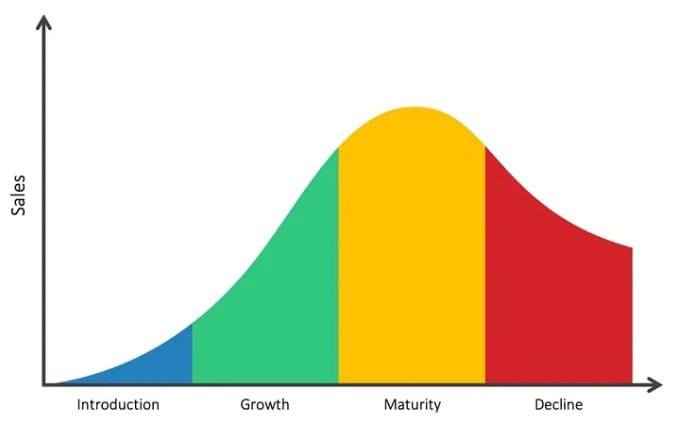
Product Lifecycle — Sales/Popularity vs Time / Source
Facebook is in the decline phase, think of the negative consumer sentiment. How much do you, yourself, use that platform? Do you think it offers as much value as it previously had? I have personally deleted it off my phone because I found it to just suck my time, though I cannot delete it completely because of all the value points it still provides birthdays, memories, occasional updates from friends, interest groups, articles and entertainment that are curated for my taste… the users are still there, but they are no longer as engaged. Facebook (the company) renamed itself, Meta, as it is clearly planning for its future as it faces the need to renew-or-die phase post maturity.
Instagram is younger, and keeps adding features to refresh its offering, and has still not completely suppressed organic exposure and impressions for businesses, unlike Facebook with an average of 0.07% engagement per post.
Any business looking to establish a presence on Facebook or Instagram now is facing a lot of noise, competition, and weary consumers who have “seen it all”. There is still, most certainly, an opportunity for businesses to break through the noise and be noticed, but it requires innovative thinking and content creation by native users, those who see the use of these tools as second nature.
A lot of businesses I see are just trying to ‘do marketing’ because they have to, or starting a new business, and since everyone is talking about social media as the “holy grail”, they are looking to jump on the bandwagon and can’t get a hold…. It simply no longer presents the opportunities that it used to, without a lot of hard work in creating content, with minimal, if any, measurable return.
Recommendations for businesses
Here are my tips for businesses looking to these platforms as their primary marketing channel:
1. Facebook - treat it as a directory listing; you need to have it, but investing too much time in its organic features will most likely leave you disappointed. Research the current recommendations for leveraging the algorithm in your favour. Facebook is still great for finding communities with your target audience that you can network with.
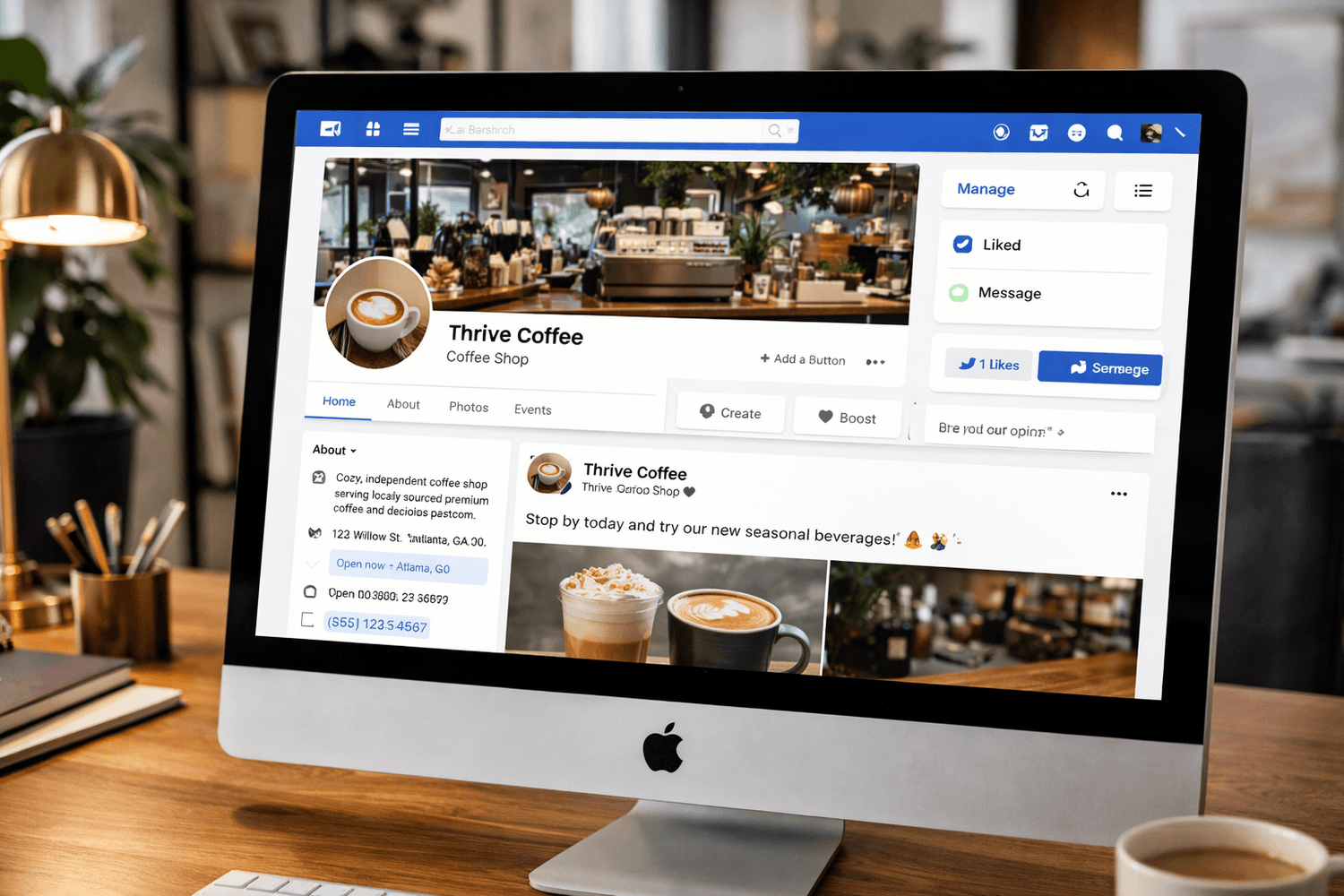
2. Instagram - use only if you are prepared to invest the time required in creating an engaging page and offering a lot of customer value in the content you create. If you are not prepared to keep it very curated and up-to-date with content that your audience wants to engage with, please don’t do it at all.
3. Paid advertising - Both platforms are still valuable paid advertising tools. In my opinion, no other current advertising channel offers such opportunities to reach the audiences that you really want to speak to for small businesses, other than Google ads (the comparison of which is beyond the scope of this article)... Social media Pay Per Click (PPC) advertising is a lot younger when considering the product lifecycle; it’s probably slightly ‘over the hill’, but it is still a valuable tool for marketers.
4. Become a user - If you are not a user of these platforms and do not understand user behaviour or what gets traction and goes viral on these channels, or do not understand the trends, you pretty much have no hope in creating content that will be liked by anyone other than your friends. I am happy to be proven wrong on this point, but the vast majority of accounts I see struggling is because it’s operated by the proprietor who either has no idea what to do or is trying all the ‘best practice’ recommendations, which are not coming across as authentic. The only option here is to pay someone who knows what they are doing (which can be expensive, and if you will see a return is questionable), or simply, again, don’t do it! Invest your energy in another form of marketing. It’s not good marketing for your business when a customer comes across a terrible-looking, out-of-date social media account.
If you are interested to learn more about how marketing principles like this can influence your marketing, you will find our Lowest Hanging Fruit Marketing Planning Guide valuable.
Originally published on Medium
